
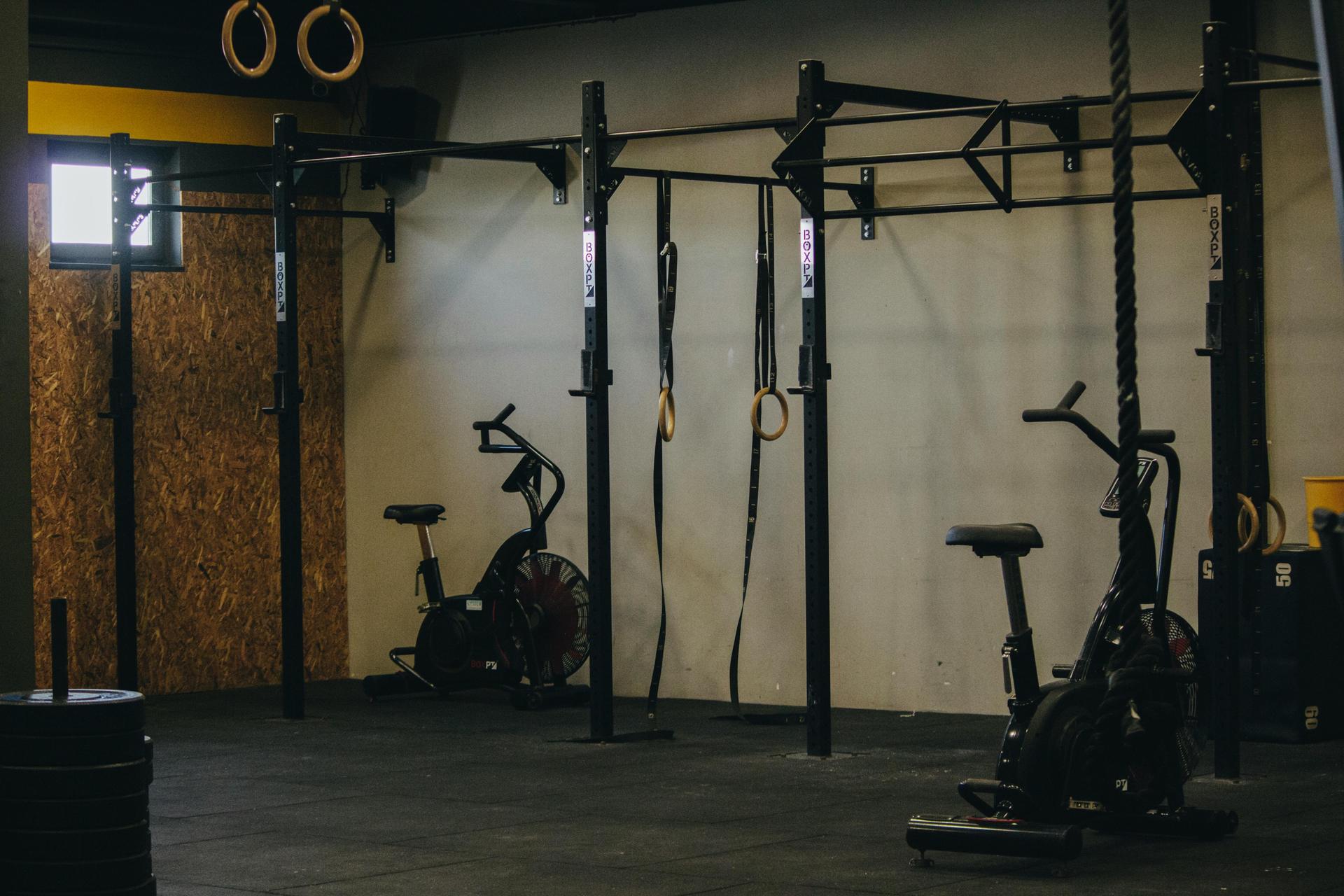
Gym compliance records: equipment, cleaning and safety logs for UK gyms and fitness centres

    A gym is a workplace that the public uses with very little supervision. That puts a clear duty on the operator to keep members safe, and the main way to show you meet it is a steady routine of checks: equipment, floors, changing rooms, the defibrillator and, if you have one, the pool.

    This page sets out that routine for UK gyms, studios and leisure centres, with what is law and what is good practice. It also covers accident reporting, which catches out a lot of gyms.

    What a gyms & fitness business needs to record

    RecordHow oftenWhy it matters
    Pre-opening equipment and floor walkEvery day before members arriveGood practice. Spots frayed cables, loose pins and slip hazards before someone gets hurt.
    Detailed equipment inspectionWeekly or monthly, by machine typeHSE says inspection frequency should come from your risk assessment and the manufacturer's advice.
    Manufacturer servicingAs the manufacturer specifies, often every 6 or 12 monthsKeeps warranties valid and gives you an independent record of each machine's condition.
    Out-of-order tags and repairsEvery faultShows faulty kit was taken out of use and when it came back.
    Cleaning schedule (gym floor, changing rooms, showers)Several times a day for high-touch areas; daily and weekly deep cleansGood practice for hygiene. A signed schedule shows it is done, not assumed.
    Defibrillator (AED) and first aid kit checksWeekly, or as the AED manufacturer advisesManufacturer guidance. Checks the status light, pad and battery expiry dates and that the kit is complete.
    Shower water temperatures and little-used outletsMonthly temperatures; weekly flushing of little-used outletsShowers are a Legionella risk. HSE's L8 code of practice sets out how to control it.
    Pool water tests (if you have a pool)As your pool operating procedures set, several times a day is typicalHSE's HSG179 covers pool safety management and points to PWTAG for water treatment and testing.
    Fire alarm and emergency lighting testsAlarm weekly; emergency lighting monthlyGovernment fire safety guidance for places of assembly recommends these intervals.
    Accident book and incident reportsEvery accident to staff or membersSome accidents must be reported under RIDDOR, including members of the public taken straight to hospital for treatment.

    Who checks your records

    • Local authority environmental health (health and safety)

      Councils usually enforce health and safety law in gyms and leisure facilities. The enforcing authority regulations allocate sports and recreation activities to local authorities.

    • Fire and rescue authority

      Enforces the Regulatory Reform (Fire Safety) Order 2005 in England and Wales: fire risk assessment, alarms, emergency lighting and escape routes. Scotland and Northern Ireland have their own fire safety law.

    • Health and Safety Executive (guidance)

      Publishes the guidance enforcing officers expect pool operators to follow (HSG179), the Legionella code of practice (L8) and the RIDDOR reporting rules.

    If your records are missing

    Councils enforce health and safety law in gyms. The duty to members comes from section 3 of the Health and Safety at Work etc. Act 1974: you must run the business so that people who are not your employees are not exposed to risks to their health or safety, so far as is reasonably practicable. An officer who finds unsafe equipment and no inspection records can give advice or take formal action.

    If a member is injured and makes a claim, the questions are simple. When was this machine last checked? By whom? What did they find? A dated inspection with a photo is your answer. Without one, it is hard to show you took reasonable care.

    Fire officers can issue enforcement notices, and for serious risk a prohibition notice that takes effect immediately (GOV.UK).

    Quick answer

    UK gyms should run a daily equipment and floor walk, detailed equipment inspections on a risk-based schedule, manufacturer servicing, frequent cleaning, weekly defibrillator and first aid checks, Legionella checks on showers, and fire alarm and emergency lighting tests. Some accidents must be reported to the enforcing authority under RIDDOR.

    An inspection routine that holds up

    There is no single legal interval for gym equipment checks. HSE's guidance on inspecting work equipment is a sound model: set frequency through risk assessment, use the manufacturer's recommendations, and record the result. A three-level routine works for most sites.

    LevelWhoHow oftenWhat to look at
    Floor walkDuty staffDaily, before openingVisible damage, cables, pins and collars, spills, clear walkways
    Detailed checkTrained staffWeekly or monthly by machineCable wear, pulleys, belts, upholstery, fixings, emergency stops on treadmills
    ServiceManufacturer or engineerAs the manufacturer specifiesFull service, with a written report

    If a check finds a fault, tag the machine out of order, log it with a photo, and log the repair before it goes back into use.

    The defibrillator

    Follow the manufacturer's check routine. Most ask you to confirm the status indicator shows ready, the pads and battery are in date and the cabinet is accessible. Register it on The Circuit, the national defibrillator network, so NHS ambulance services know where it is. Registration is voluntary but worth doing.

    Accidents: record everything, report some

    Record every accident in your accident book. RIDDOR adds a duty to report certain incidents. For members of the public, that means an accident linked to your work activity where the person is taken directly from the scene to hospital for treatment. For staff, it includes injuries that keep them off normal duties for more than seven consecutive days, which must be reported within 15 days.

    First aid law covers your employees, not the public. HSE still strongly recommends including members of the public in your assessment of first aid needs, and for a gym that is hard to argue against.

    Checks that run themselves

    LogBooks Hub has 90+ logbook types, including equipment, cleaning, water temperature and fire checks. Staff get reminders, each entry is timestamped with photo evidence, and a one-click audit pack PDF gathers it all for an officer or insurer. Use the iOS or Android app on the gym floor, or any browser. Plans start from £30/month.

    LogBooks Hub logbooks for gyms & fitness

    These come ready to use from our 90+ digital compliance logbooks. Each one reminds staff when a check is due, records who did it and when, and can hold a photo as evidence.

    • Gym equipment daily check
    • Equipment inspection log
    • Equipment fault and repair log
    • Opening and closing checks
    • Cleaning schedule
    • Changing room cleaning log
    • Defibrillator check
    • First aid kit check
    • Legionella water temperatures
    • Little-used outlet flushing
    • Pool water test log
    • Fire alarm weekly test
    • Emergency lighting test
    • Accident book

    Free printable versions: Opening and closing checks, Cleaning schedule, Legionella water temperature and flushing log, Emergency lighting test log.

    Frequently asked questions

    How often should gym equipment be inspected?

    No law sets a fixed interval. Most gyms do a quick visual check every day before opening, a detailed check weekly or monthly depending on the machine, and a service at the interval the manufacturer gives. HSE's guidance on work equipment says frequency should come from a risk assessment and manufacturer advice, and that results should be recorded.

    Who inspects gyms in the UK?

    Your local council's environmental health team usually enforces health and safety law in gyms and leisure centres. The fire and rescue authority enforces fire safety. If you serve food or drinks, the council's food team may inspect that too. HSE writes much of the guidance, such as HSG179 for pools, but does not usually inspect gyms itself.

    Do gym accidents need to be reported to RIDDOR?

    Some do. An accident to a member of the public must be reported if it arises from your work activity and the person is taken directly from the scene to hospital for treatment. For staff, injuries that keep someone off normal duties for more than seven consecutive days must be reported within 15 days. Record all accidents, reportable or not.

    How often should a gym defibrillator be checked?

    Follow the manufacturer's instructions. Many sites check weekly: status light showing ready, pads and battery within date, and the unit accessible and complete. This is manufacturer guidance rather than a specific legal interval. Log each check, and register the defibrillator on The Circuit so ambulance services know where it is.

    Do gyms need Legionella checks on showers?

    Yes, showers and other water outlets can spread Legionella, and employers and people in control of premises must assess and control the risk. HSE's L8 code of practice describes the usual controls, such as temperature checks and flushing outlets that are not used often. Log readings and flushing so you can show the controls are working.

    Is first aid required for gym members?

    The first aid regulations only place a legal duty on employers for their employees. HSE strongly recommends including members of the public in your first aid needs assessment. For a gym, where members exercise hard and often alone, having trained first aiders on shift and a checked first aid kit is the sensible position.

    Official guidance and sources

    This page is general guidance, not legal advice. Rules differ between England, Scotland, Wales and Northern Ireland; check with your local authority if you are unsure.

    Keep these records on your phone

    Works on any device in the browser, or grab the iPhone or Android app. From £30 a month for one site and two users.